
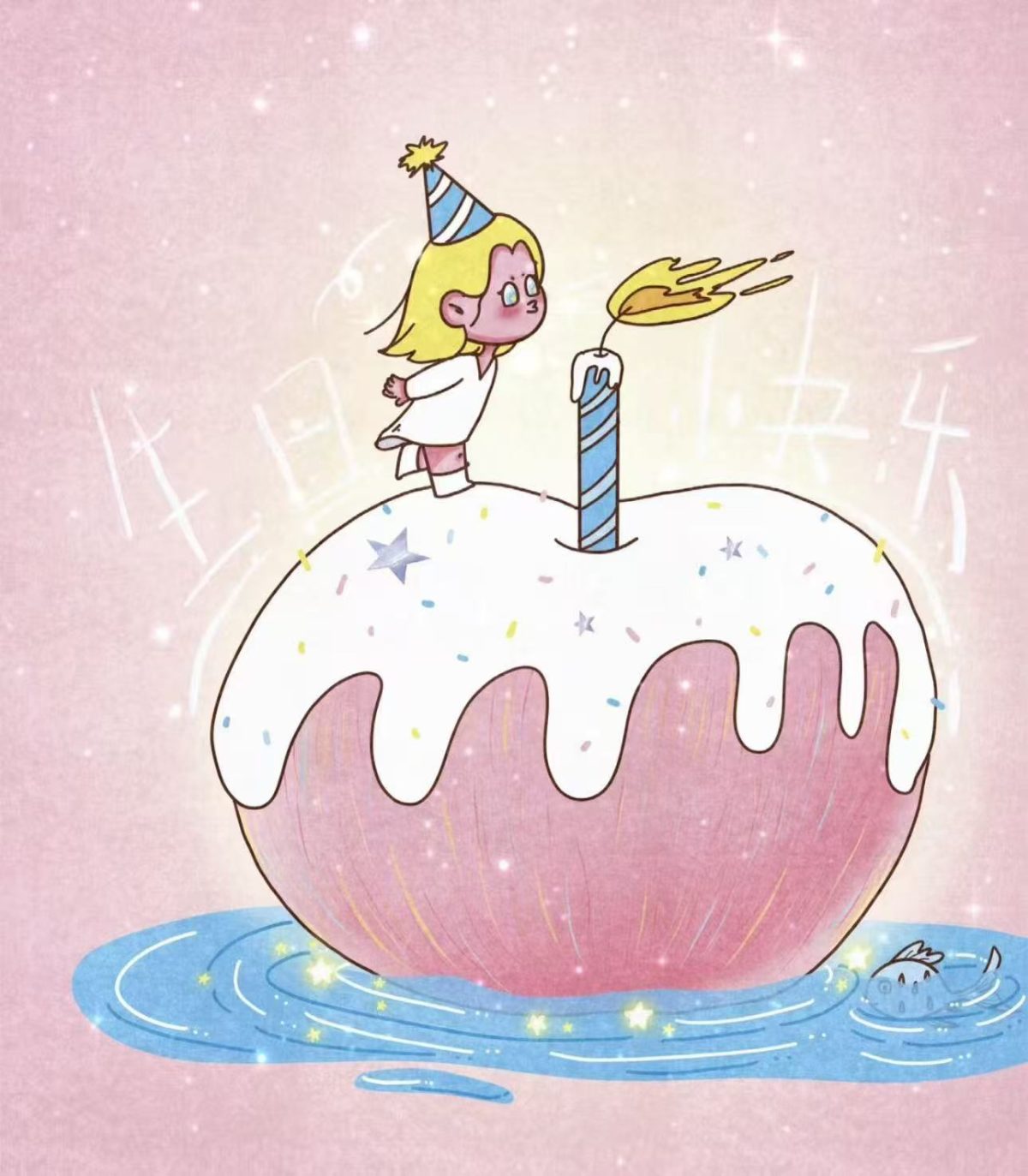


Celebrating another year of life is a universal human habit, but the origins and meanings behind the core rituals in China and the West couldn’t be more different.
In China, birthday celebrations always include a bowl of longevity noodles shared among everyone. This custom dates back to the Tang Dynasty, when noodles were called “tangbing” (soup cakes) and eating noodles to mark a birthday was widely popular. The Book of New Tang even records a story of someone selling clothes to buy flour, just to make birthday noodles for another person. A popular folk tale adds another layer: when Emperor Wu of Han discussed longevity with his ministers, Dongfang Shuo joked that a long face means a long life, and from that, long noodles came to symbolize longevity. The idea caught on, and people started eating longevity noodles on their birthdays. But you shouldn’t eat them alone — the noodles are shared with family and friends, spreading the joy and the wish for a long life to everyone at the table.
China isn’t the only culture with meaningful birthday rituals. In ancient Greece, there was the custom of blowing out candles. It began with the worship of Artemis, the goddess of the moon: worshippers placed round cakes topped with lit candles, the flames mimicking moonlight, and believed the smoke could carry their wishes up to the gods. Over the centuries, the practice spread across Europe and gradually became the familiar tradition of putting candles on a birthday cake, making a wish, and blowing them out.
Different places have different customs, each sending blessings in its own way. The forms and rituals may vary, but the joy behind them is the same.



0 Comments
Deprecated: File Theme without comments.php is deprecated since version 3.0.0 with no alternative available. Please include a comments.php template in your theme. in /www/wwwroot/myculturaljourney.com/wp-includes/functions.php on line 6260